Investors: Underwriting Checklist to Prevent 20 to 40% Rehab Overruns

Most rehab project failures trace back to two root causes: underestimating cost and time, and making poor contractor or financing choices. The fix isn’t complicated. Before you close, get a line-item bid, add a real contingency, and build a lender-aligned schedule. A rehab calculator turns that scope into an actual budget number instead of a guess.
TL;DR:
- Accurate scope definition and line-item bids are essential, with estimates running 20 to 40 percent over initial guesses if hidden systems are overlooked.
- Choosing the lowest bid often results in missing scope or inferior materials, leading to higher change order costs later.
- Proper loan matching and understanding draw processes are critical, as mismanagement can quickly erode profit margins.
- Conducting thorough pre-closing due diligence and stress-testing the deal for lower sale prices or longer timelines ensures realistic margins.
- Using checklists and calculators to validate estimates and bids before and during the rehab helps prevent costly surprises.
Table of Contents
- The Most Common Rehab Mistakes Investors Make
- How to Avoid These Rehab Mistakes Before and During the Job
- Checklists and Calculators That Turn This Into a Repeatable Process
- A Near-Miss That Changed How I Underwrite Every Deal
- Put Your Next Rehab Budget Through a Real Stress Test
- Sources
The Most Common Rehab Mistakes Investors Make
Rehab budgets fail in predictable ways. If you know the pattern, you can catch it in your own deal before the drywall goes up. Here are the mistakes that show up most often in underwriting reviews and change-order disputes.
1. Underbidding the rehab because you didn’t account for hidden systems. You walk a property, eyeball the kitchen and bath, and skip the crawlspace. Then the plumber finds galvanized pipe that needs full replacement. Rehab budgets routinely run 20 to 40 percent over the initial estimate when investors don’t price hidden systems and structural risk into the number from the start.
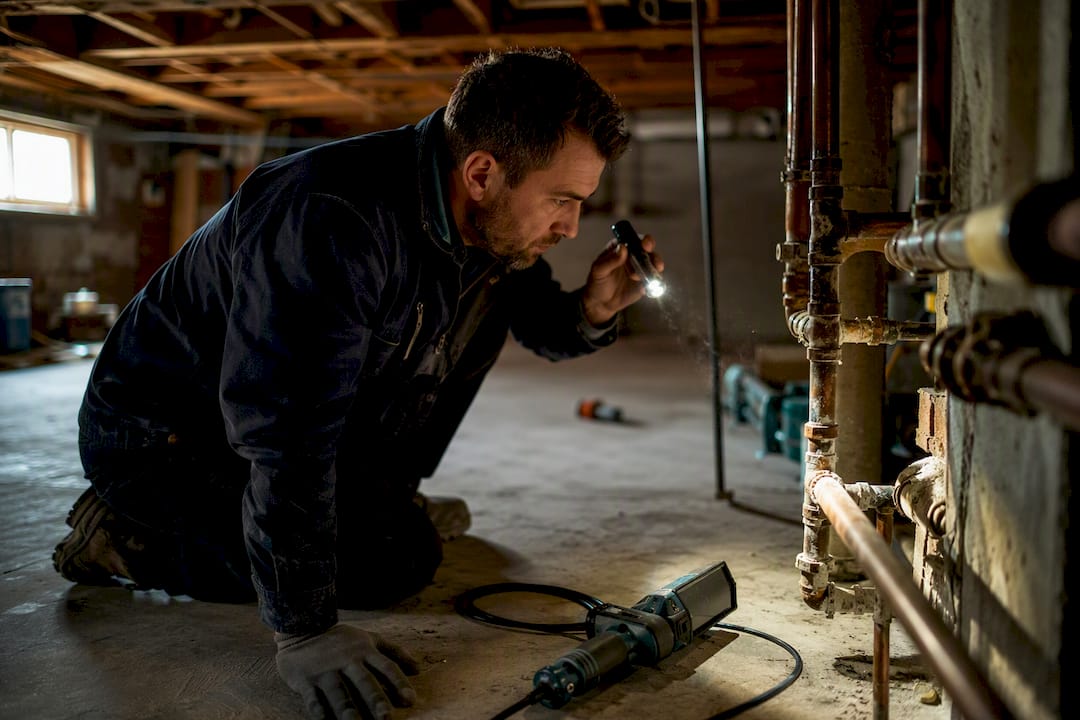
2. Choosing the cheapest bid instead of the most complete one. A contractor who quotes 30 percent below everyone else usually isn’t cheaper. He’s missing line items. Very low bids frequently omit necessary scope or substitute inferior materials, and that gap resurfaces later as a change order that erases whatever you thought you saved.
3. Picking the wrong loan product or misreading the draw process. Hard money, private capital, and conventional rehab loans each fund differently. If your loan doesn’t align with your draw schedule, you can end up paying contractors out of pocket while waiting on a lender inspection. Mismanaging draws or choosing the wrong loan type is one of the fastest ways to bleed margin on a flip that otherwise looked solid on paper.
4. Underestimating holding and selling costs. Every extra month on the clock adds interest, taxes, insurance, and utilities. Holding costs can run into the thousands per month depending on your loan structure and market, and a timeline that slips by even a few months materially changes your profitability.
5. Skipping inspections, title review, or zoning checks. A $300 to $600 inspection sounds like an expense you can avoid. It isn’t. Skipping it can hide foundation, sewer, or wiring problems that cost thousands to fix after you’ve already closed and have no leverage to renegotiate.
6. Losing control of scope and letting change orders pile up. Every “small add” during rehab compounds. Without a defined change-order process, contractors have no incentive to flag scope creep before it happens.
7. Sequencing the job backward. Finishing a bathroom before the plumber has rough-in access, or painting walls before an electrical inspection, means tearing out finished work. Structural and mechanical, electrical, and plumbing systems need to go in before cosmetic finishes, not after.
8. Estimating with stale numbers and no contingency buffer. Material and labor costs shift by market and by season. An estimate built on last year’s per-square-foot number, with no cushion attached, is a budget built to fail.
How to Avoid These Rehab Mistakes Before and During the Job
Prevention happens in two windows: before you close, and during the rehab itself. Miss either one and the checklist stops working.
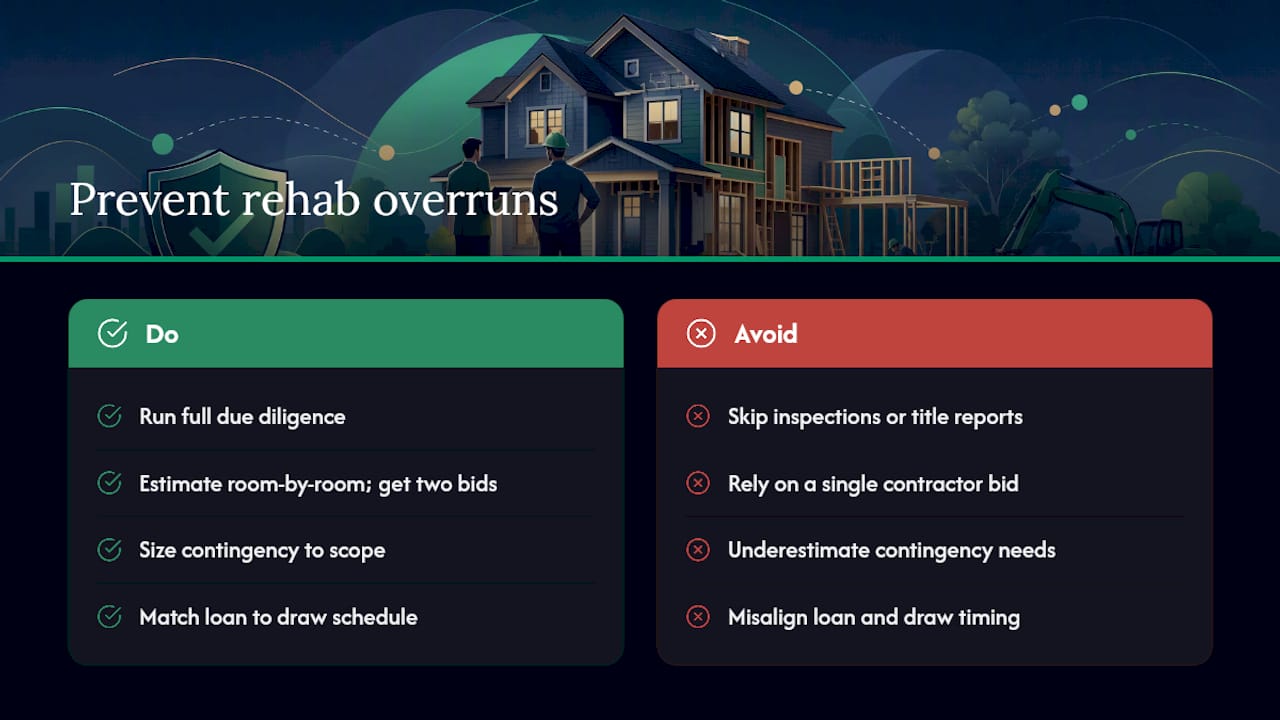
Before you close, run full due diligence. Order an inspection, a sewer scope, and a title report, and confirm zoning and permit feasibility for the work you’re planning. This is where you catch the deal-killers while you still have negotiating leverage.
Build your estimate room by room. Walk the property, price each line item, and validate your number against two contractor bids rather than one. A single bid tells you nothing about whether your number is realistic.
Size your contingency to the scope. A cosmetic refresh can run on a 10 percent contingency. A medium rehab needs 15 to 20 percent. A gut job should carry 20 to 25 percent, and you should push higher still if the property has any structural unknowns.
Match your loan to your draw schedule. Understand exactly what documentation your lender requires and how fast draws release before you’re relying on that money to pay a contractor. Our financing calculator can help you compare loan structures side by side, and this financing guide covers how to lock in stable terms when rates are moving.
Sequence the work correctly. Structural and MEP first, finishes last. Build permit and weather buffers into your timeline instead of assuming everything runs on schedule.
Define your change-order process in the contract. Spell out lien waivers and tie draw releases to inspection gates, so no one gets paid for work that hasn’t been verified.
Stress-test the deal. Model a sale price 5 to 10 percent below your target ARV and a hold that runs one to three months longer than planned. If the deal still works, you’ve got a real margin. If it doesn’t, you found a problem before it cost you money.
Checklists and Calculators That Turn This Into a Repeatable Process
Reading a mistakes list is useful once. Running the same checklist on every deal is what actually protects your margin over time.
Pre-close checklist:
- Inspection completed and reviewed
- Title report pulled and clear
- Sewer scope run
- Comps pulled for realistic ARV
- Contractor walk-through completed
- Permit feasibility confirmed for planned scope
Contractor bid checklist:
- Bid itemized line by line, not lumped into one number
- Permits included and named in the scope
- Timeline and start date specified
- Proof of insurance provided
- References checked
Pro forma checklist:
- Purchase price
- Rehab line items
- Contingency percentage
- Holding costs
- Selling costs
- Target profit margin
Once you’ve got real numbers, plug them into the Rehab Cost Calculator to convert scope into a working budget. Enter your line items, adjust the contingency slider for your rehab type, and run an ARV sensitivity check before you commit.
Pro Tip: Always reconcile your contractor’s bid against your rehab-calculator estimate line by line before close. Any gap between the two numbers is exactly where your next change order is hiding.
A Near-Miss That Changed How I Underwrite Every Deal
I once watched a deal nearly unravel over a bathroom subfloor nobody priced. The original bid didn’t itemize it, the contractor assumed it was included, and the gap surfaced mid-project as a $4,000 change order that almost broke the budget. We caught it because the draw schedule forced a checkpoint before the next disbursement.
Three lessons stuck. Vet every bid line by line before you sign anything. Budget contingency like it’s certain to get used, because it usually is. And align your draw schedule with the actual contractor timeline, not an assumed one. The calculators in the Real Estate Investor Toolkit exist because spreadsheets don’t catch these gaps until it’s too late.
— Michael
Put Your Next Rehab Budget Through a Real Stress Test
A gut feeling about rehab costs is how margins disappear. The Rehab Cost Calculator replaces that guesswork with line-item budgeting, contingency tuning by scope, and ARV sensitivity checks, all without requiring a sign-up to try it.
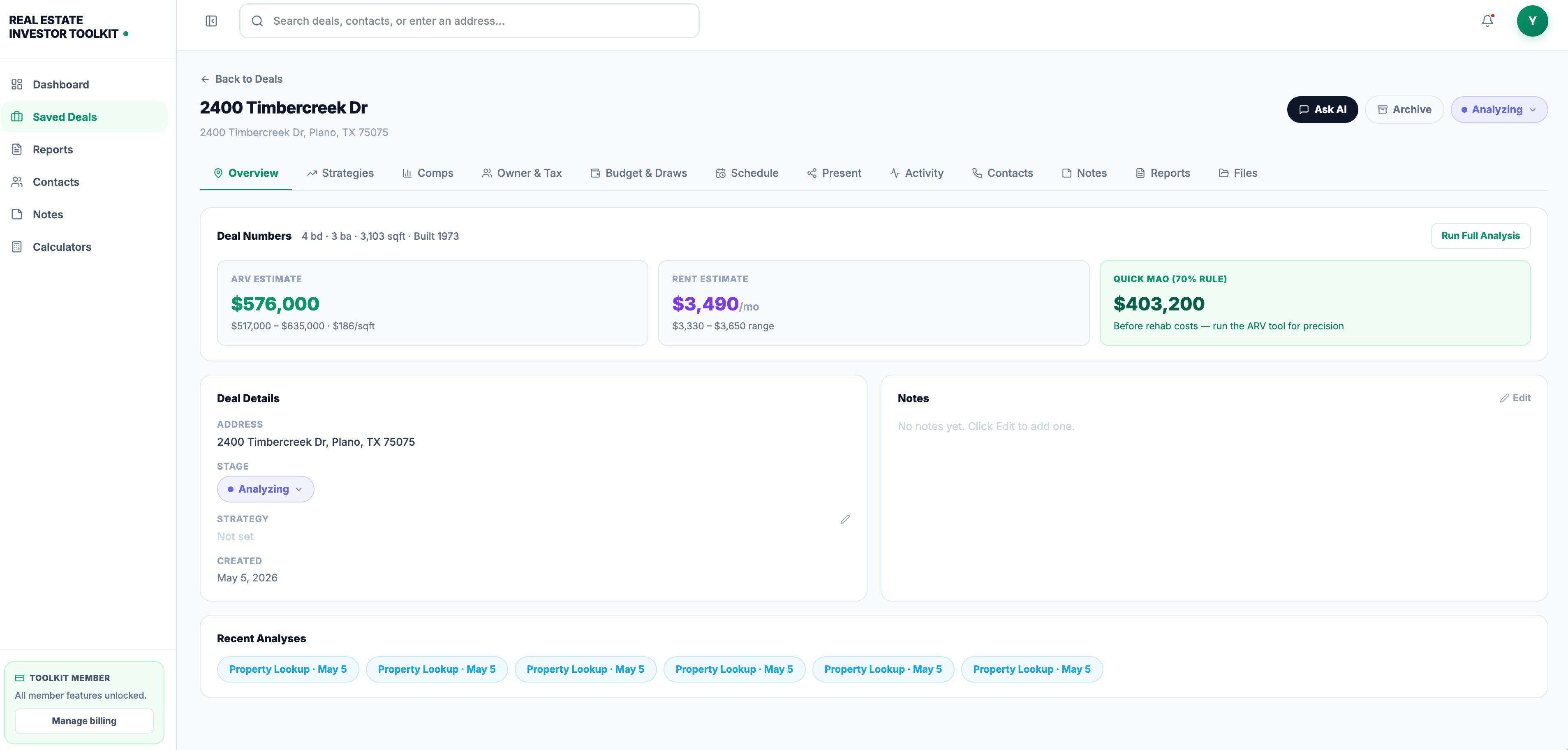
If your exit strategy is BRRRR rather than a straight flip, the BRRRR Calculator stress-tests your refinance assumptions the same way, so you’re not surprised by a lower appraisal after the rehab is done. Pair either tool with the rehab cost estimation guide to see how scope type changes your unit costs before you write an offer.
Run your next deal through the calculator before you submit a bid. It takes less time than a single contractor callback, and it’s the difference between a number you hope is right and one you can actually defend to a lender.
Sources
- Fix-and-Flip Mistakes to Avoid | Axiant Partners
- You’re making a mistake if you aren’t adding contingencies to your rehab budgets | BiggerPockets